📅 March 02, 2024 • 📍 Kalari Gurukulam Goa
The 8 Animal Postures of Kalaripayattu: Power in Motion
Kalaripayattu draws deep inspiration from nature. The Ashta Vadivu — eight animal postures — encode the movement intelligence of animals into human form. Each posture trains specific physical and mental qualities: strength, balance, timing, agility, and internal awareness.
1. Varaha Vadivu — The Boar Stance (Strength)
Symbol of fearless momentum and strength. This pose builds raw physical power and a grounded stance, teaching the body to move with force, stability, and determination. The practitioner learns to root deeply through the legs and generate power from the earth.
2. Gaja Vadivu — The Elephant Stance (Stability)
Like the majestic elephant, this posture embodies steadiness and grounded authority. It strengthens the lower body and core, improving balance and endurance. In combat, it trains the ability to remain unmoved while delivering powerful strikes.
3. Marjara Vadivu — The Cat Stance (Agility)
The cat is the master of silent agility. This pose refines lightness, precision, and alertness, teaching the practitioner to shift smoothly between defense and attack. It enhances flexibility and quick directional changes, essential for both offense and evasion.
4. Simha Vadivu — The Lion Stance (Courage)
The lion posture awakens fearless presence and inner authority. It builds upper-body strength and an open chest, symbolizing courage and expression. Practicing this stance encourages confidence, clarity, and power in both voice and movement.
5. Sarpa Vadivu — The Snake Stance (Reflex)
Inspired by the serpent’s swift and coiled energy, this pose develops flexibility, reflex, and precision. Movements flow in a spiral rhythm, training the body to strike or evade with lightning speed while maintaining fluid grace and control.
6. Kukkuda Vadivu — The Rooster Stance (Alertness)
The rooster stands tall, vigilant, and ready. This posture cultivates awareness and readiness for action. It sharpens focus and timing — teaching the practitioner to stay alert and respond instantly to changing circumstances.
7. Mayura Vadivu — The Peacock Stance (Grace)
Symbolizing elegance and balance, the peacock posture integrates beauty with control. It refines upper-body strength, coordination, and poise, helping movements become fluid and expressive without losing precision or purpose.
8. Haya Vadivu — The Horse Stance (Endurance)
The horse represents endurance and unstoppable drive. This stance develops leg strength, stability, and perseverance, enabling long periods of sustained action. It forms the foundation for fluid transitions across all other postures in Kalaripayattu.
Practice Tips for Ashta Vadivu
- Start slow — feel the alignment before adding speed.
- Sync breath with movement: inhale to prepare, exhale through action.
- Practice each posture as a moving meditation — sense how energy shifts through your body.
- Work under a trained teacher to adapt postures safely to your flexibility and strength level.
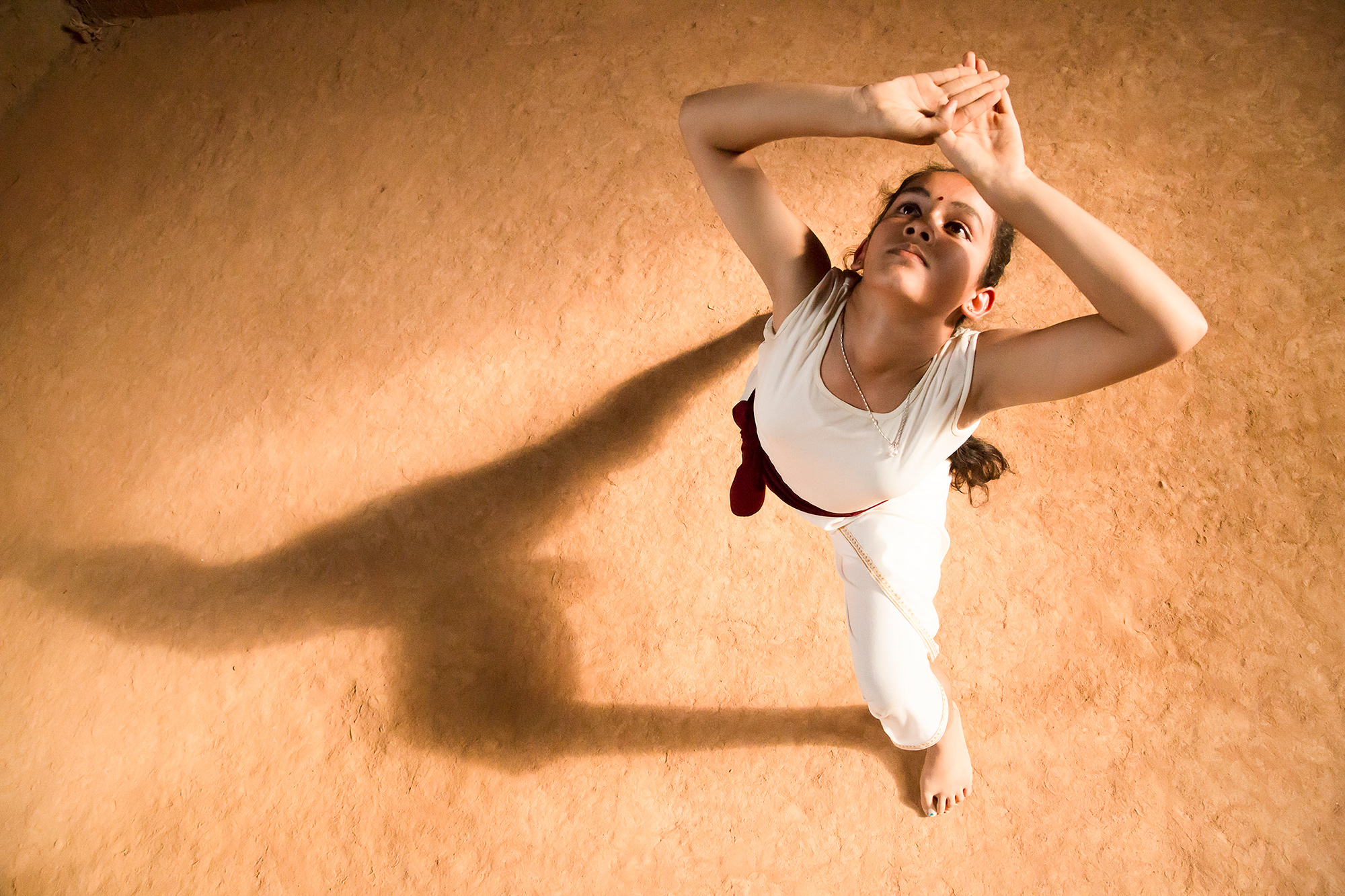
Ashta Vadivu practice at Kalari Gurukulam
Why the Animal Forms Matter
Beyond physical fitness, the Ashta Vadivu connect us to the wisdom of nature — to courage, patience, and grace. They remind us that true mastery is not domination but harmony with the forces within and around us. Each animal embodies a lesson for life, and through disciplined practice, we awaken those qualities in ourselves.